
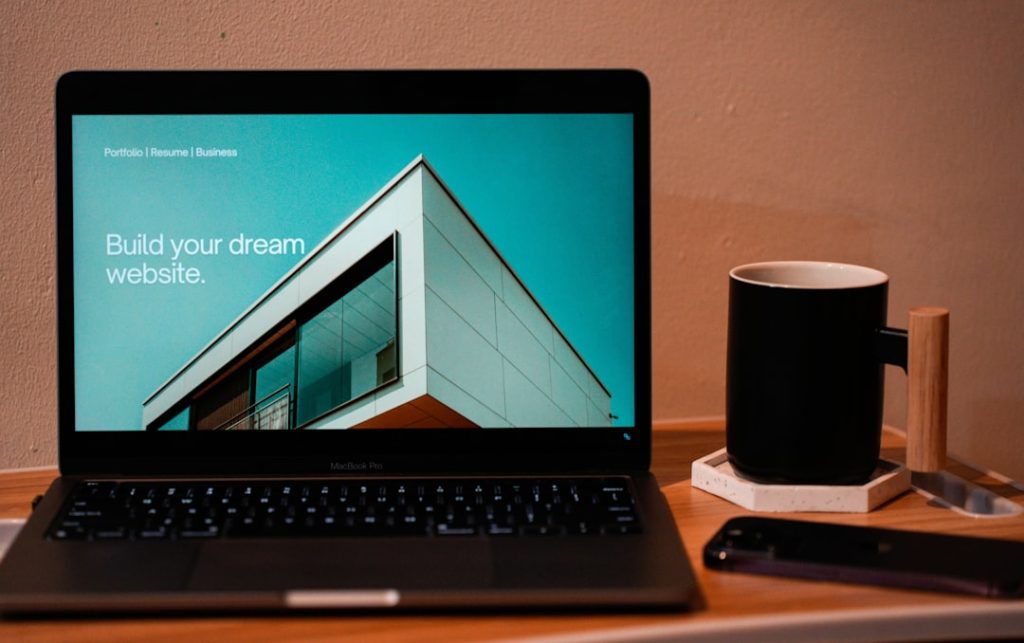
Minimalist design has emerged as a powerful aesthetic in the digital landscape, characterized by its simplicity and functionality. This design philosophy strips away unnecessary elements, focusing instead on the essentials that convey a message or serve a purpose. The principle of “less is more” is at the heart of minimalist design, where every component is carefully considered and contributes to the overall user experience.
Websites that embrace this approach often feature ample white space, clean lines, and a limited color palette, allowing users to navigate content without distraction. For instance, Apple’s website exemplifies minimalist design through its use of large images, straightforward navigation, and a focus on product features without overwhelming visitors with excessive information. The effectiveness of minimalist design lies in its ability to enhance usability.
By reducing clutter, designers can guide users’ attention to key elements, such as calls to action or important information. This is particularly beneficial in an age where users are bombarded with information from multiple sources. A minimalist approach not only improves readability but also fosters a sense of calm and clarity.
Websites like Medium utilize this design philosophy effectively, presenting articles in a clean format that prioritizes text and imagery while eliminating unnecessary distractions. The result is an engaging reading experience that encourages users to immerse themselves in the content.
Key Takeaways
- Minimalist design focuses on simplicity and clean aesthetics, allowing for easy navigation and a focus on content.
- Bold typography makes a strong visual impact and helps to convey the brand’s personality and message effectively.
- Vibrant color schemes can create a memorable and engaging user experience, but should be used thoughtfully to avoid overwhelming the user.
- Interactive animations can enhance user engagement and create a dynamic and immersive website experience.
- Parallax scrolling adds depth and movement to the website, creating a visually appealing and interactive design.
Bold Typography
Bold typography has become a defining feature of modern web design, serving as both a visual element and a means of communication. By utilizing large, striking fonts, designers can create a strong visual hierarchy that captures attention and conveys messages with impact. This trend is particularly effective in establishing brand identity; companies can use unique typefaces to differentiate themselves from competitors.
For example, the website for the fashion brand Balenciaga employs bold typography to reflect its avant-garde aesthetic, using oversized text to make statements that resonate with its target audience. Moreover, bold typography can enhance readability and accessibility. When used strategically, it can guide users through content by emphasizing key points or sections.
Websites like The New York Times leverage bold typography to highlight headlines and important articles, ensuring that readers can quickly identify what matters most. This approach not only aids in navigation but also enhances the overall user experience by making information more digestible. As designers continue to experiment with font sizes, weights, and styles, bold typography remains a powerful tool for creating visually compelling and effective web designs.
Vibrant Color Schemes

Vibrant color schemes have taken center stage in contemporary web design, offering a dynamic way to engage users and evoke emotions. The strategic use of color can significantly influence user behavior and perception; bright hues can create excitement and energy, while softer tones may evoke calmness and serenity. Brands are increasingly recognizing the importance of color psychology in their design choices.
For instance, Spotify employs a vibrant green color scheme that not only reflects its brand identity but also creates an inviting atmosphere for users exploring music and playlists. In addition to enhancing aesthetics, vibrant color schemes can improve usability by guiding users’ attention to specific elements on a page. Designers often use contrasting colors for buttons or calls to action to make them stand out against the background.
This technique is evident on websites like Airbnb, where bright colors are used strategically to draw attention to booking options and promotions. Furthermore, vibrant color palettes can help establish a brand’s personality; companies like Mailchimp utilize playful colors to convey a sense of creativity and approachability, making their platform feel more user-friendly.
Interactive Animations
Interactive animations have revolutionized the way users engage with websites, transforming static content into dynamic experiences. These animations can range from subtle transitions to elaborate visual effects that respond to user actions. By incorporating movement into web design, designers can create a sense of interactivity that captivates users and encourages exploration.
For example, the website for the interactive storytelling platform “The Useless Web” features playful animations that respond to clicks, inviting users to discover new content in an engaging manner. The benefits of interactive animations extend beyond aesthetics; they can also enhance usability by providing feedback and guiding users through processes. For instance, loading animations can indicate progress during data retrieval or page transitions, reducing user frustration during wait times.
Websites like Slack utilize interactive animations to illustrate features and functionalities, making it easier for new users to understand how to navigate the platform effectively. As technology continues to advance, the potential for interactive animations in web design will only expand, offering even more opportunities for creativity and engagement.
Parallax Scrolling
Parallax scrolling has emerged as a captivating technique in web design that creates an illusion of depth by moving background images at a different speed than foreground content. This effect adds a layer of visual interest and immersion, allowing users to experience content in a more engaging way. Websites that employ parallax scrolling often tell stories through their design, guiding users through a narrative journey as they scroll down the page.
A prime example is the website for the video game “Shadow of the Colossus,” which uses parallax scrolling to create an immersive experience that mirrors the game’s epic landscapes. Beyond aesthetics, parallax scrolling can enhance user engagement by encouraging exploration and interaction with content. As users scroll through a parallax-enabled site, they may encounter hidden elements or animations that reveal additional information or features.
This technique not only keeps users engaged but also encourages them to spend more time on the site as they uncover layers of content. However, designers must balance creativity with usability; excessive parallax effects can lead to performance issues or distract from key messages. When executed thoughtfully, parallax scrolling can elevate a website’s storytelling capabilities and create memorable user experiences.
Mobile-First Design

In an era where mobile devices dominate internet usage, mobile-first design has become essential for creating effective web experiences. This approach prioritizes designing for smaller screens before scaling up for larger devices, ensuring that websites are optimized for mobile users from the outset. By focusing on mobile-first design principles, designers can create responsive layouts that adapt seamlessly across various screen sizes.
For instance, Google emphasizes mobile-first indexing in its search algorithms, highlighting the importance of mobile optimization for visibility and user experience. Mobile-first design not only enhances accessibility but also improves performance by streamlining content and functionality for mobile users. Websites like Instagram exemplify this approach by offering a clean interface that prioritizes images and user interactions on mobile devices.
Features such as swipe gestures and touch-friendly buttons are designed specifically for mobile use, creating an intuitive experience that resonates with users on the go. As mobile technology continues to evolve, adopting a mobile-first mindset will be crucial for businesses seeking to engage their audience effectively across all platforms.
Illustrative Graphics
Illustrative graphics have gained popularity in web design as a means of adding personality and creativity to digital experiences. Unlike traditional stock images or photographs, illustrations offer unique visual storytelling opportunities that can convey complex ideas in an engaging manner. Designers often use custom illustrations to reflect brand identity or evoke specific emotions associated with their products or services.
For example, Dropbox employs playful illustrations throughout its website to create a friendly atmosphere that resonates with its target audience. The versatility of illustrative graphics allows designers to experiment with styles ranging from minimalistic line art to vibrant, detailed illustrations. This flexibility enables brands to communicate their values and messages effectively while standing out in a crowded digital landscape.
Websites like Mailchimp utilize illustrative graphics not only for aesthetic appeal but also for educational purposes; their illustrations help explain features and functionalities in a way that is both informative and visually engaging. As brands continue to seek ways to differentiate themselves online, illustrative graphics will remain a valuable tool for enhancing user experiences.
Unique Navigation Menus
Navigation menus play a crucial role in guiding users through websites, and innovative designs are emerging that challenge traditional layouts. Unique navigation menus can enhance usability while providing an opportunity for creative expression within web design. Designers are experimenting with various formats such as vertical menus, hidden navigation bars, or even animated dropdowns that add an element of surprise when users interact with them.
For instance, the website for the creative agency “Awwwards” features an unconventional navigation menu that transforms as users hover over different sections, creating an engaging experience. The effectiveness of unique navigation menus lies in their ability to simplify complex information architectures while maintaining user interest. By reimagining how navigation is presented, designers can create intuitive pathways for users to explore content without feeling overwhelmed.
Websites like Spotify utilize unique navigation elements such as sidebars and tabbed interfaces that allow users to switch between playlists seamlessly while maintaining context within the app. As web design continues to evolve, embracing unique navigation solutions will be essential for creating memorable user experiences that encourage exploration and interaction with content.
If you’re looking for some web design inspiration, you should check out this article on UpRankerz titled “Hello World.” This article discusses the importance of creating a visually appealing website that captures the attention of visitors. By incorporating elements such as color schemes, typography, and layout, you can create a website that not only looks great but also effectively communicates your brand message. To read more about this topic, visit this article.
FAQs
What is web design inspiration?
Web design inspiration refers to the process of finding ideas and creative concepts for designing websites. It involves gathering examples of visually appealing and innovative website designs to spark creativity and generate ideas for one’s own web design projects.
Why is web design inspiration important?
Web design inspiration is important because it helps designers stay current with design trends, explore new ideas, and push the boundaries of creativity. It also serves as a source of motivation and helps designers overcome creative blocks.
Where can I find web design inspiration?
Web design inspiration can be found in various places, including design galleries, social media platforms, design blogs, and online design communities. Additionally, looking at award-winning websites, industry-specific websites, and competitor websites can also provide inspiration.
How can web design inspiration be used in the design process?
Web design inspiration can be used to generate ideas, explore different design styles, and understand user experience trends. Designers can use inspiration to create mood boards, gather color palettes, and experiment with layout and typography to inform their own design process.
What are some popular sources of web design inspiration?
Some popular sources of web design inspiration include websites like Awwwards, Behance, Dribbble, and Pinterest. Additionally, design conferences, design books, and design podcasts can also serve as sources of inspiration for web designers.