
Top Web Design Software for Stunning Websites
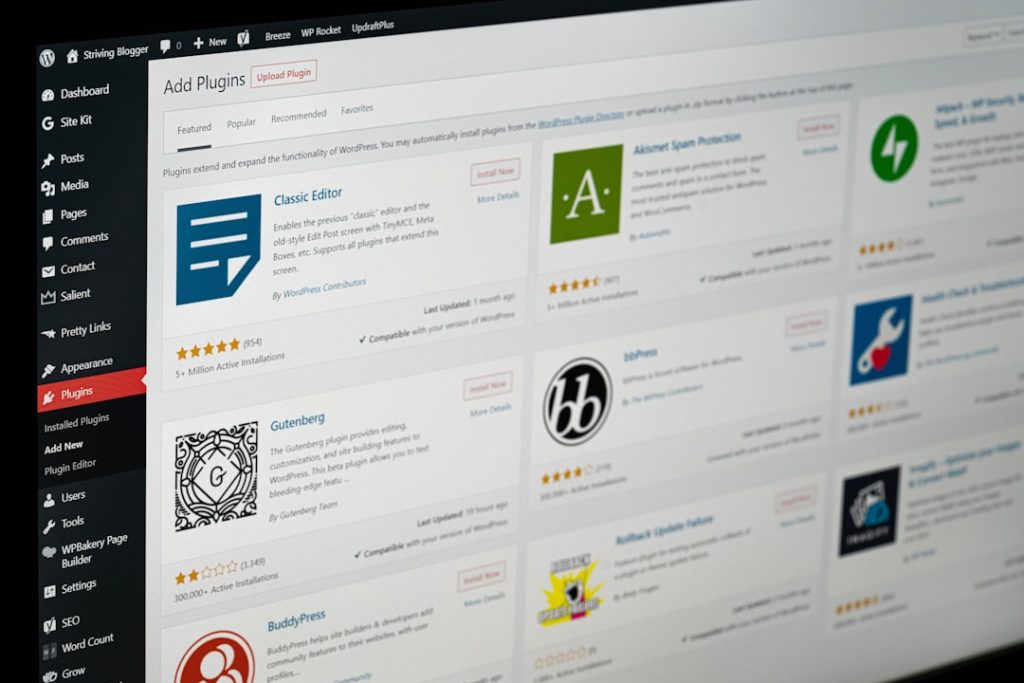
In the digital age, the importance of a well-designed website cannot be overstated. Web design software plays a crucial role in the creation and maintenance of websites, enabling designers and developers to bring their visions to life. These tools range from simple drag-and-drop interfaces to complex coding environments, catering to a diverse audience with varying levels of expertise. The right web design software can significantly enhance productivity, streamline workflows, and ultimately lead to more aesthetically pleasing and functional websites. The landscape of web design software is vast and continually evolving, with new tools emerging to meet the demands of modern web development. As businesses and individuals increasingly recognize the value of a strong online presence, the need for effective web design solutions has surged. This article will explore some of the most popular web design software options available today, including Adobe Dreamweaver, Sketch, WordPress, Wix, Adobe XD, and Figma. Each of these tools offers unique features and capabilities that cater to different aspects of web design, from coding to prototyping and content management. Key Takeaways Web design software is essential for creating and designing websites. Adobe Dreamweaver is a popular web design software that offers a wide range of features for both beginners and advanced users. Sketch is a powerful design tool specifically for creating user interfaces and web designs. WordPress is a widely used content management system that offers a variety of themes and plugins for web design. Wix is a user-friendly platform that allows users to create websites with its drag-and-drop interface. Adobe XD is a design tool that allows for creating prototypes and wireframes for web and mobile applications. Figma is a collaborative interface design tool that enables real-time collaboration and prototyping. When choosing web design software, consider the specific needs of the project and the level of expertise of the user. Adobe Dreamweaver Adobe Dreamweaver has long been a staple in the web design community, known for its robust features that cater to both beginners and experienced developers. This software provides a comprehensive environment for designing, coding, and managing websites. One of its standout features is the dual view interface, which allows users to work in both a visual design mode and a code editor simultaneously. This flexibility enables designers to see real-time changes as they manipulate HTML, CSS, and JavaScript, making it easier to understand how code translates into visual elements. Dreamweaver also supports responsive design, allowing users to create websites that adapt seamlessly to various screen sizes. With built-in templates and starter layouts, users can quickly set up their projects without starting from scratch. Additionally, Dreamweaver integrates with other Adobe Creative Cloud applications, such as Photoshop and Illustrator, facilitating a smooth workflow for designers who rely on multiple tools for their projects. The software’s extensive library of extensions further enhances its functionality, enabling users to add custom features tailored to their specific needs. Sketch Sketch has emerged as a favorite among UI/UX designers due to its focus on vector graphics and user interface design. Unlike traditional web design software that often caters to both coding and design, Sketch is primarily geared towards creating high-fidelity mockups and prototypes. Its intuitive interface allows designers to create layouts quickly using artboards, symbols, and reusable components. This efficiency is particularly beneficial in collaborative environments where multiple designers may be working on the same project. One of Sketch’s most powerful features is its ability to create responsive designs through constraints and resizing options. Designers can define how elements should behave when the screen size changes, ensuring that their designs remain visually appealing across devices. Furthermore, Sketch’s integration with various plugins enhances its capabilities, allowing users to incorporate features like design systems, accessibility checks, and version control into their workflow. This focus on collaboration and efficiency has made Sketch a go-to tool for many design teams looking to streamline their processes. WordPress WordPress is one of the most widely used content management systems (CMS) globally, powering over 40% of all websites on the internet. Its popularity stems from its versatility and user-friendly interface, making it accessible for both novice users and seasoned developers. WordPress offers a vast library of themes and plugins that allow users to customize their websites without extensive coding knowledge. This flexibility enables individuals and businesses to create everything from simple blogs to complex e-commerce sites. The platform’s open-source nature means that developers can modify the core code to suit their specific needs, fostering a vibrant community that continuously contributes to its growth. WordPress also emphasizes SEO best practices, providing built-in features and plugins that help optimize websites for search engines. Additionally, its responsive themes ensure that websites look great on any device, further enhancing user experience. With regular updates and a strong support network, WordPress remains a top choice for those looking to establish an online presence. Wix Wix has gained significant traction as a website builder that prioritizes ease of use through its drag-and-drop interface. This platform is particularly appealing for individuals or small businesses without extensive technical skills who want to create professional-looking websites quickly. Wix offers a wide range of templates tailored for various industries, allowing users to select a design that aligns with their brand identity. The intuitive editor enables users to customize elements easily by dragging them into place, making the design process accessible even for those with no prior experience. In addition to its user-friendly interface, Wix provides various features that enhance website functionality. Users can integrate e-commerce capabilities, social media links, and contact forms with minimal effort. The platform also includes built-in SEO tools that guide users in optimizing their sites for search engines. Furthermore, Wix’s App Market offers additional functionalities through third-party applications, allowing users to expand their website’s capabilities without needing extensive coding knowledge. This combination of simplicity and versatility has made Wix a popular choice for those looking to establish an online presence quickly. Adobe XD Adobe XD is a powerful tool designed specifically for creating user experiences through wireframes and prototypes. It stands out
Top Web Design Software for Stunning Websites Read More »