
5 Essential Web Design Tips for a Stunning Site
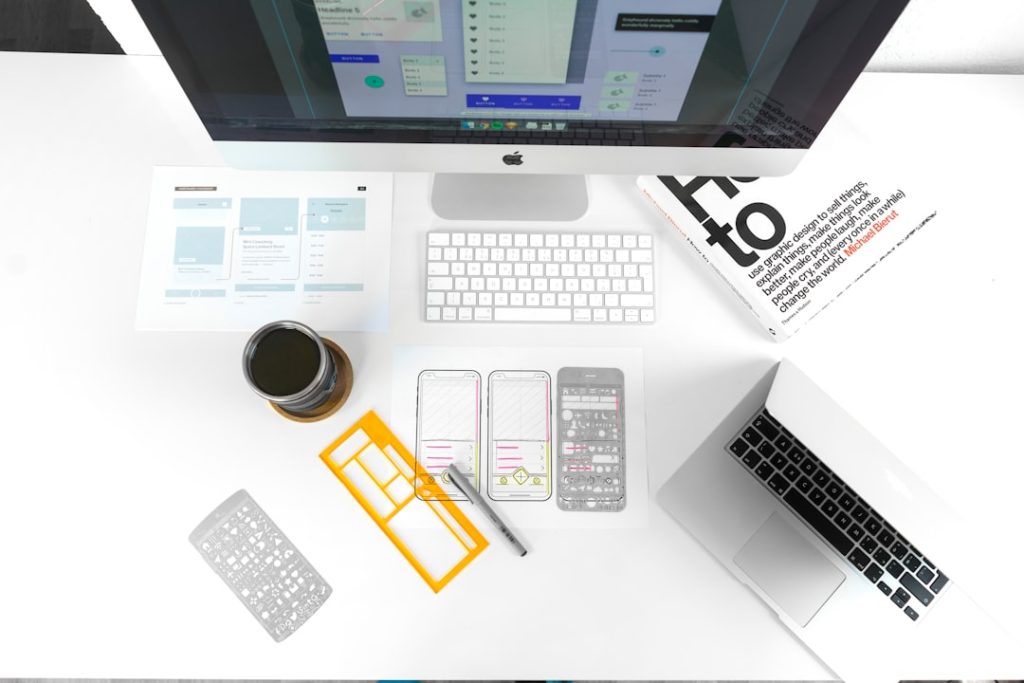
User experience (UX) is a critical component of web design that directly influences how visitors interact with a website. It encompasses all aspects of the end-user’s interaction with the company, its services, and its products. A well-designed user experience can lead to increased customer satisfaction, higher conversion rates, and improved brand loyalty. When users find a website easy to navigate, visually appealing, and responsive to their needs, they are more likely to engage with the content and return in the future. Conversely, a poor user experience can drive potential customers away, resulting in lost opportunities and diminished revenue. The significance of user experience extends beyond mere aesthetics; it is about creating a seamless journey for the user. This journey should be intuitive, allowing users to find what they need without unnecessary obstacles. For instance, if a user struggles to locate a product or service due to a convoluted layout or unclear calls to action, they may abandon the site altogether. Research has shown that users form an opinion about a website within milliseconds of landing on it, underscoring the need for thoughtful design that prioritizes user needs and expectations. By focusing on user experience, businesses can foster a positive relationship with their audience, ultimately leading to greater success in the digital marketplace. Key Takeaways User experience is crucial for the success of a website or app White space can improve readability and focus on key elements The right color scheme can evoke emotions and enhance user experience Responsive design ensures a seamless experience across different devices High-quality images and graphics can enhance visual appeal and engagement Utilizing White Space Effectively White space, often referred to as negative space, is the area of a design that is left unmarked. It is not merely an absence of content; rather, it plays a vital role in enhancing the overall aesthetic and functionality of a website. Effective use of white space can improve readability, draw attention to key elements, and create a sense of balance within the design. For example, a website cluttered with text and images can overwhelm users, making it difficult for them to focus on important information. In contrast, incorporating ample white space allows users to breathe and process content more easily. Moreover, white space can guide users’ attention toward specific areas of a webpage. By strategically placing white space around buttons or calls to action, designers can create visual hierarchies that encourage users to engage with those elements. This technique not only enhances usability but also contributes to a more polished and professional appearance. A well-executed design that utilizes white space effectively can convey a sense of sophistication and clarity, making it easier for users to navigate and interact with the site. Ultimately, white space is an essential tool in web design that should not be overlooked; it can significantly impact how users perceive and engage with a website. Choosing the Right Color Scheme Color plays an integral role in web design, influencing emotions and perceptions while also serving practical purposes such as branding and navigation. The right color scheme can evoke specific feelings and reactions from users, making it essential for designers to carefully consider their choices. For instance, blue is often associated with trust and professionalism, making it a popular choice for corporate websites. In contrast, vibrant colors like red or orange can create a sense of urgency or excitement, which may be beneficial for e-commerce sites looking to drive sales. When selecting a color scheme, it is crucial to maintain consistency across the website to reinforce brand identity. A cohesive palette not only enhances visual appeal but also aids in creating a memorable user experience. Designers should also consider accessibility when choosing colors; ensuring sufficient contrast between text and background colors is vital for readability. Tools like color contrast checkers can help designers assess whether their color choices meet accessibility standards. By thoughtfully selecting and implementing a color scheme that aligns with both brand values and user expectations, designers can create an engaging and effective web experience. Implementing Responsive Design In an era where mobile devices dominate internet usage, responsive design has become a necessity rather than an option. Responsive web design ensures that a website adapts seamlessly to various screen sizes and orientations, providing an optimal viewing experience across devices—from desktops to smartphones. This approach not only enhances usability but also improves search engine rankings; Google prioritizes mobile-friendly sites in its search results, making responsive design essential for visibility. Implementing responsive design involves using flexible grids, layouts, and images that adjust according to the user’s device. Media queries are also employed to apply different styles based on screen size or resolution. For example, a multi-column layout on a desktop may transform into a single-column layout on mobile devices, ensuring that content remains accessible without requiring excessive scrolling or zooming. By embracing responsive design principles, businesses can cater to the diverse needs of their audience while ensuring that their website remains functional and visually appealing across all platforms. Incorporating High-Quality Images and Graphics Visual content is a powerful tool in web design that can significantly enhance user engagement and convey messages more effectively than text alone. High-quality images and graphics not only capture attention but also help establish credibility and professionalism. For instance, using crisp images of products can instill confidence in potential buyers by providing them with a clear view of what they are purchasing. Conversely, low-resolution or poorly chosen images can detract from the overall quality of a website and lead users to question the reliability of the brand. Incorporating graphics such as infographics or illustrations can also enrich the user experience by breaking down complex information into digestible formats. These visual elements can simplify data presentation and make content more relatable. However, it is essential to optimize images for web use; large file sizes can slow down page load times, negatively impacting user experience. By balancing quality with performance through proper image optimization techniques—such as compression and appropriate file formats—designers can create visually
5 Essential Web Design Tips for a Stunning Site Read More »